Availability matters, but safe, dependable support also relies on checks, preparation, communication and a good fit for the home.
A staffing partner becomes part of the home’s operating rhythm. The right relationship should reduce uncertainty, support the permanent team and help the home protect the standard of care residents expect.
More than an available name
Speed is important when a shift changes, but suitability matters just as much. A professional match should consider the role, required competencies, care setting, resident needs, shift pattern and practical journey—not only who answered first.
When the request is urgent, use a consistent brief. The first 15 minutes emergency staffing checklist gives care-home teams a simple structure for that conversation.
Clear evidence of recruitment and checks
A care home should be able to ask how professionals are recruited, interviewed and prepared. This may include identity and right-to-work checks, appropriate PVG membership, references, role-relevant registration, employment history and training records. The exact evidence depends on the role and the home’s own requirements.
- A documented, face-to-face recruitment process.
- Checks and references appropriate to the professional and role.
- Current training and competency information that can be shared when required.
- A clear route for raising a concern before, during or after a shift.
Preparation that resembles the real setting
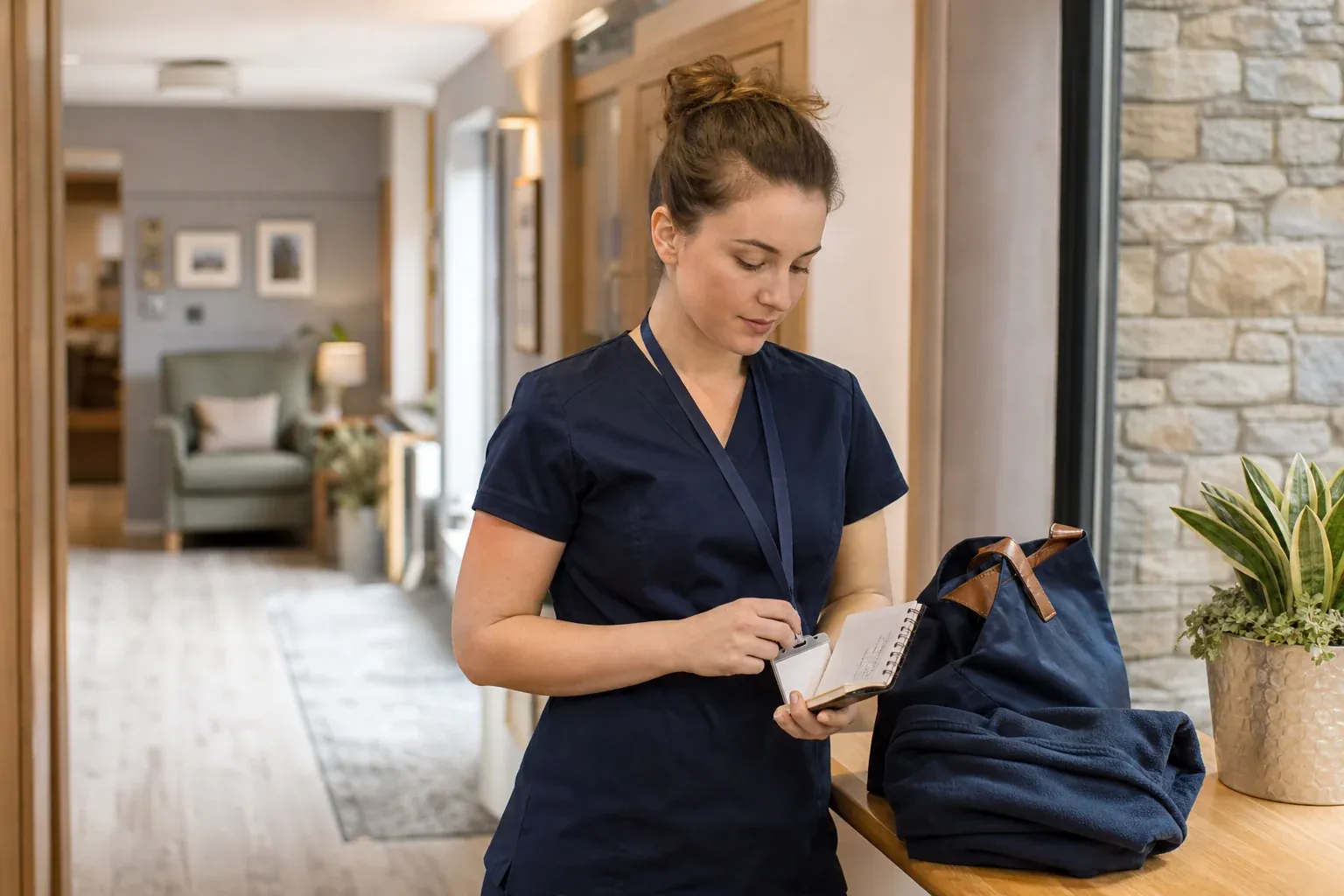
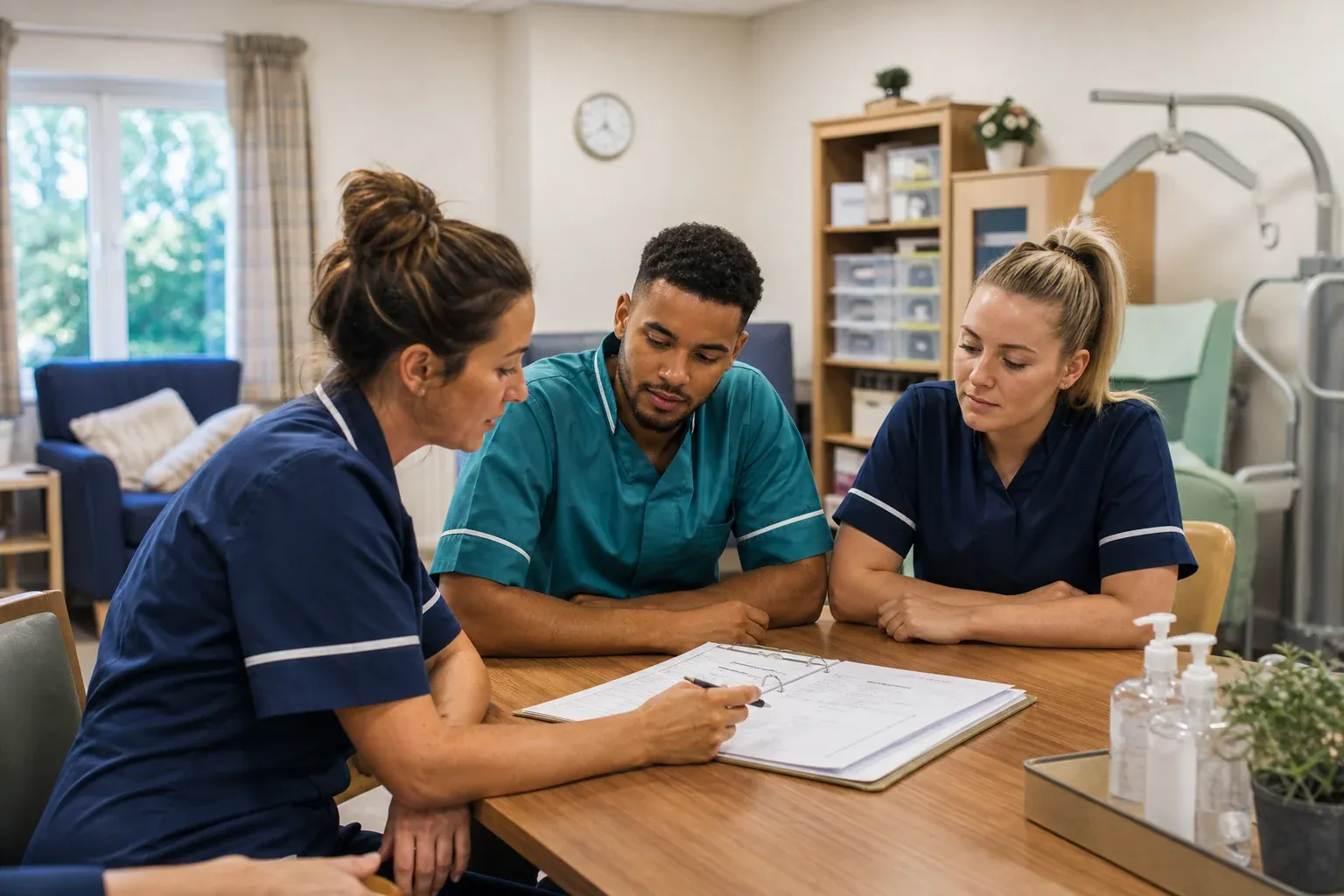
Mandatory learning is only part of readiness. Professionals benefit from practical preparation that reflects the environment they will enter: communication, moving and handling, infection prevention, documentation, escalation and respectful person-centred support. Clementia Care’s approach and training standards are designed around that practical reality.
“A staffing partner should make the shift easier to lead, not create a second stream of administration for the home.
Communication that stays useful
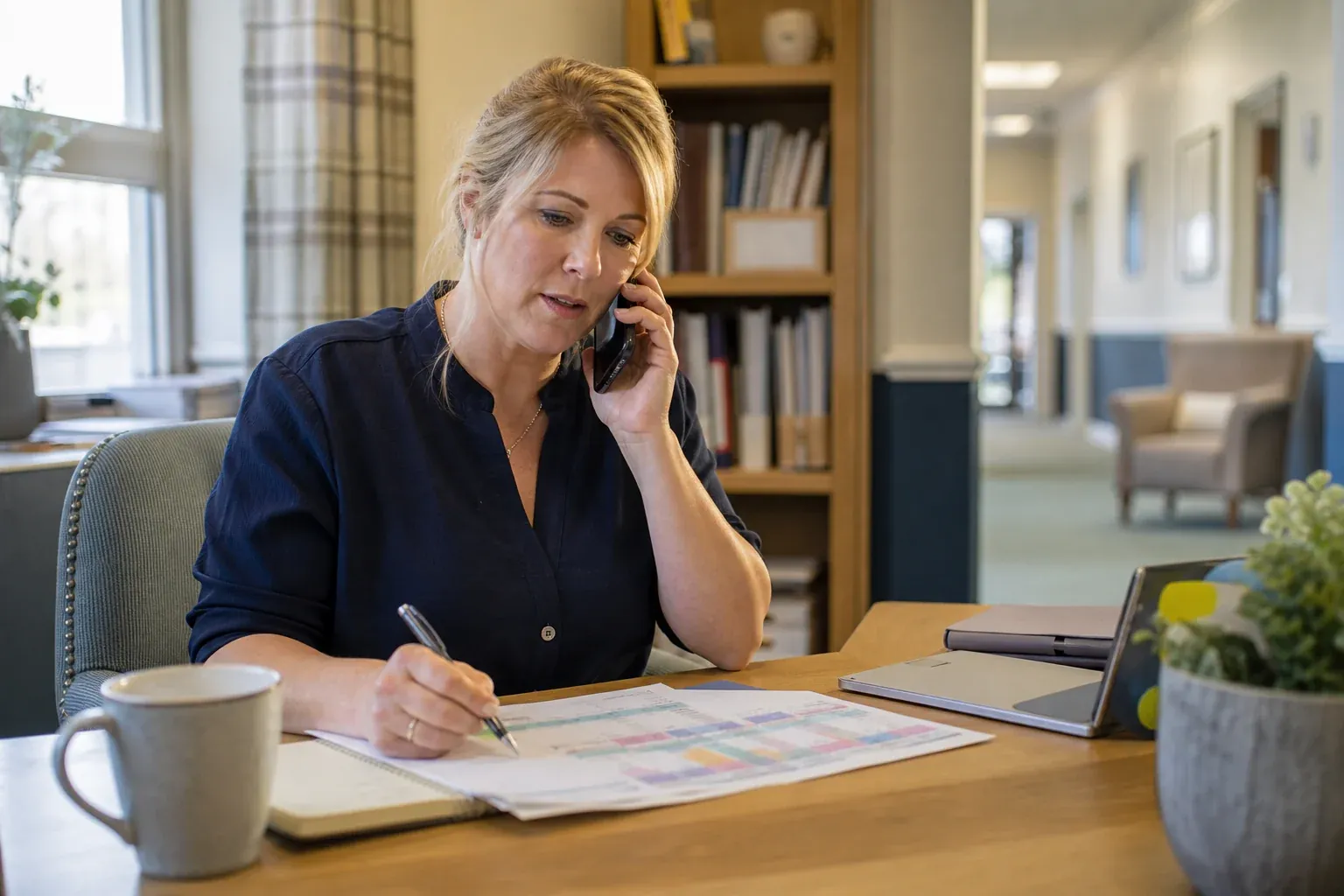
The home should know whether the booking is confirmed, who is attending, the expected arrival and whom to contact if circumstances change. Good communication is concise, timely and honest. If a request cannot be met exactly, the staffing partner should explain the position rather than leave the team guessing.
Continuity, feedback and accountability
When a professional fits well, continuity can help residents and colleagues. Ask whether preferred professionals can return, how feedback is recorded and how concerns influence future matching. A dependable partner should welcome useful feedback and act on it.
| Ask the partner | Listen for |
|---|---|
| How do you decide who is suitable? | Role, competency, setting, availability and fit. |
| What can you show before the shift? | Relevant checks, registration and training evidence. |
| How will we receive updates? | A named route and clear confirmation points. |
| What happens after feedback? | A documented, accountable follow-up process. |
Frequently asked questions
Should a staffing partner provide compliance information before a shift?
Care homes should agree what evidence they require and how it will be shared. The staffing partner should be able to provide role-relevant information in a clear, secure and timely way.
Is using the same professional again helpful?
Where the match works for the resident, home and professional, continuity can reduce repeated orientation and support familiarity. It should still be balanced with availability and the needs of each shift.
What should happen if a shift does not go as expected?
Raise the issue promptly through the agreed contact. A professional partner should listen, record the facts, explain the review process and confirm any action taken.
See how Clementia Care supports care homes with Registered Nurses, Senior Carers, Care Assistants and essential support roles.
Explore our staffing servicesClementia Care
The Supporting Angel
Emergency healthcare staffing for care homes across Scotland — Registered Nurses, Senior Carers and support staff, 24/7.